
What is aromatherapy, and why is it winning over millions of people around the world? From prestigious spa treatments to everyday living spaces, natural fragrances are proving their miraculous healing power. Discover the outstanding characteristics and typical applications of this captivating therapeutic method right now!
1. What Is Aromatherapy?
Aromatherapy is a holistic health support method that uses natural plant extracts — produced through methods such as steam distillation, cold pressing, etc. — known as essential oils, to enhance mental, physical, and emotional health. Its primary purpose is to use essential oils obtained from flowers, leaves, stems, roots, or bark to deliver therapeutic benefits.
This is an increasingly popular complementary approach as part of a modern lifestyle, particularly useful for busy individuals in helping reduce stress and improve quality of life, without replacing conventional medicine.
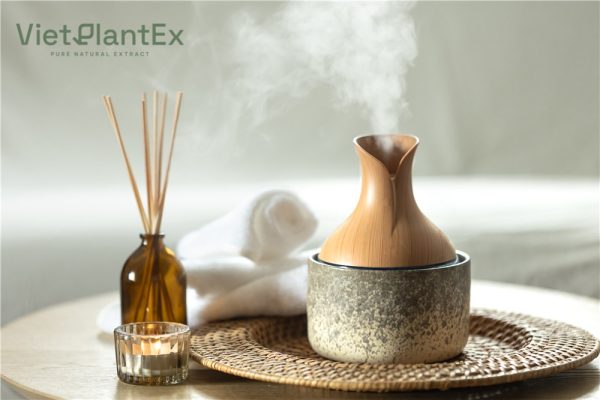
1.1. History of Formation and Development
The use of aromatic substances in medicine and religious rituals dates back thousands of years in ancient civilizations such as China, India, and Egypt. The ancient Egyptians already knew how to extract essential oils from plants for use in medicine, cosmetics, and embalming. A key milestone was the development of essential oil distillation techniques in the 10th century by Avicenna, a Persian scientist.

However, the term “aromatherapy” was officially coined in 1937, named by French chemist René-Maurice Gattefossé after he discovered the wound-healing properties of lavender essential oil on burns. Since then, this therapy has gradually been researched and more widely applied around the world.
1.2. How Aromatherapy Works
Research shows that essential oils can affect the human body through two main mechanisms. The first is via the olfactory system: when aromatic molecules are inhaled, they enter the nose, stimulate the olfactory nerve receptors, and send signals directly to the limbic system of the brain. This brain region plays an important role in regulating emotions, memory, and automatic physiological functions such as heart rate, blood pressure, and breathing.
This explains why a particular scent can immediately evoke emotions or memories, or produce a relaxation/stimulation response. The second mechanism is absorption through the skin: when properly diluted with a carrier oil, essential oils can penetrate the skin and enter the bloodstream, thereby exerting local or systemic pharmacological effects (such as relieving muscle pain or providing mild antibacterial action).
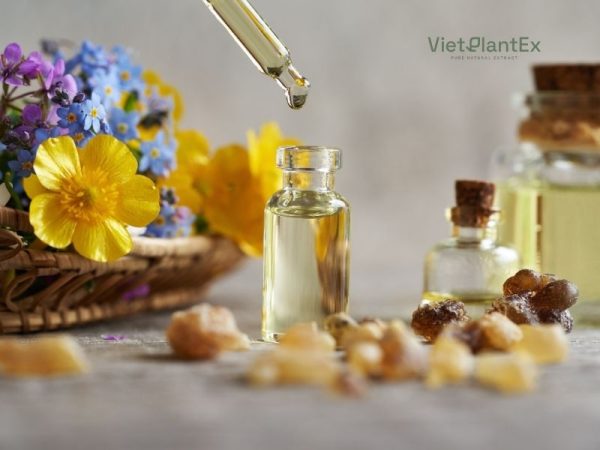
Although the exact mechanisms of action at the molecular level are still the subject of much scientific research, the clinical effectiveness of aromatherapy when combined with other methods such as massage has been widely documented.
2. The Main Benefits of Aromatherapy for Physical and Mental Health
Aromatherapy offers many significant health benefits, particularly in managing stress and improving quality of modern life.
These are benefits with high applicability in daily life and effective support for working individuals, including both job seekers and employers:
2.1. Supporting Stress and Anxiety Reduction, and Mood Improvement
One of the most widely known benefits of aromatherapy is its ability to soothe the nervous system, helping to reduce stress and anxiety. Many essential oils have mild sedative properties that help the body and mind relax. When stress levels decrease, we can think more clearly, make better decisions, and work more efficiently.
This is especially important in today’s high-pressure work environments, helping to maintain balance for working individuals. Popular essential oils for relaxation and mood improvement include:
- Lavender: Promotes relaxation, calms the mind, supports stress reduction.
- Jasmine: Uplifts the spirit, supports reduction of depression.
- Citrus peel (Orange/Lemon): Stimulates cheerfulness, comfort, and ease, reduces anxiety.
- Ylang Ylang: Promotes calmness, reduces stress.
- Frankincense: Supports meditation, soothes the mind.
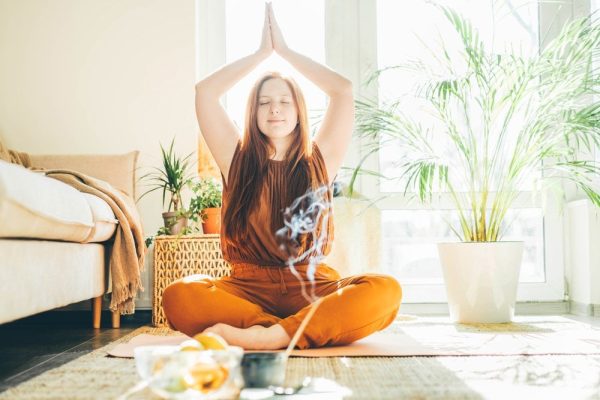
2.2. Improving Sleep Quality
Sleep quality plays a pivotal role in overall health and work productivity. Aromatherapy can help regulate sleep cycles, making it easier to fall asleep and sleep more deeply. A good night’s sleep helps restore energy, enhances concentration, improves memory, and maintains alertness at work. Essential oils commonly used to support sleep include:
- Lavender: Powerful sedative effect, helps relax before sleep, improves sleep quality.
- Roman Chamomile: Soothes the nervous system, supports sleep.
- Sweet Marjoram: Promotes deep relaxation, reduces stress.
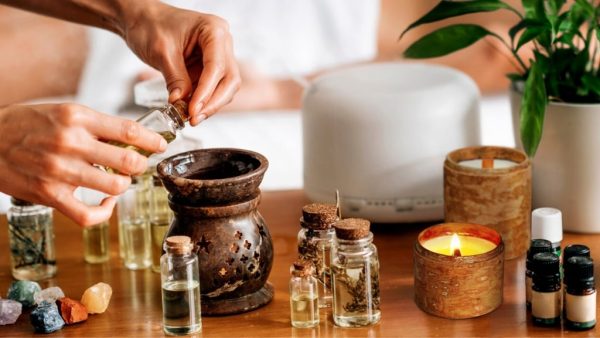
2.3. Supporting the Respiratory System
Some essential oils have decongestant, antibacterial, and mild anti-inflammatory properties that help support the respiratory system. They can help clear the airways and relieve uncomfortable symptoms of colds, flu, nasal congestion, or cough. Using essential oils through inhalation or steam can provide immediate relief. Essential oils beneficial for the respiratory system include:
- Eucalyptus: Helps clear nasal congestion and reduce phlegm.
- Peppermint: Cooling, helps ease breathing and relieve nasal congestion.
- Cajeput: Antibacterial properties, helps cleanse the airways.
- Rosemary: Helps open up the airways.
2.4. Relieving Pain and Muscle Tension
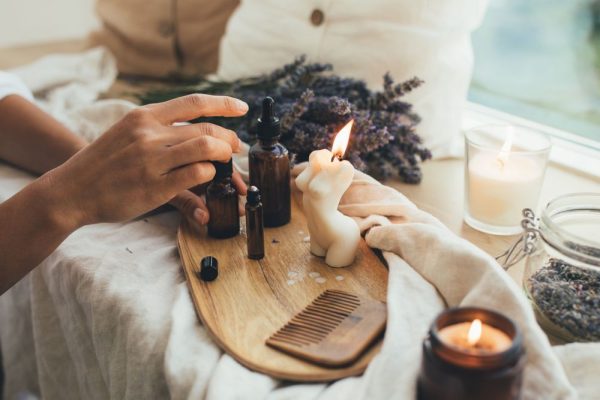
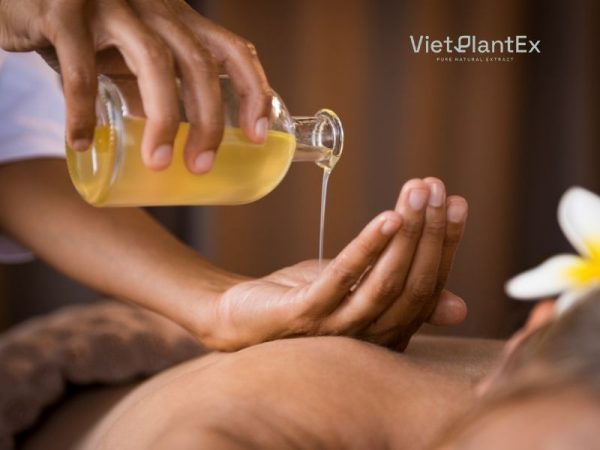
When working in an office or performing tasks that require intense focus or prolonged sitting, the body is prone to aches and muscle tension, particularly in the neck, shoulders, back, and head. Some essential oils have mild pain-relieving and anti-inflammatory properties when diluted and applied topically. They help soothe muscle aches and relieve tension in the head. Recommended essential oils for muscle pain and headaches:
- Peppermint: Creates a cooling sensation that helps relieve tension headaches when diluted and applied to the temples (avoid the eye area).
- Eucalyptus: Helps relieve muscle pain when used in a diluted massage.
- Rosemary: Supports muscle pain relief and improves circulation.
2.5. Enhancing Alertness and Concentration
Not all essential oils have a relaxing effect. On the contrary, some are capable of stimulating the brain, helping to boost alertness, improve concentration, and reduce feelings of fatigue or sluggishness.
This benefit is very direct and practical for work, especially in the mid-afternoon or when intense focus is needed for an important task for working individuals. Essential oils that help enhance alertness and concentration:
- Peppermint: Its powerful scent awakens the senses, increasing alertness.
- Lemon peel: Fresh scent helps improve mood and concentration.
- Rosemary: Known for its ability to support memory and concentration.
- Clove: Warm, spicy scent that stimulates alertness.
2.6. Supporting Skin Health and Antibacterial Action
Some essential oils can help with antibacterial and antifungal action in addressing common skin issues such as acne or dandruff (when used correctly and properly diluted). However, extreme caution must be exercised and safe dilution ratios must be followed when applying to the skin. Essential oils with these properties include:
- Tea Tree: Strong antibacterial and antifungal support, commonly used for acne-prone skin or dandruff.
- Lavender: Helps soothe the skin, supports recovery of mildly damaged skin.
- Lemon: Has mild astringent properties, but WARNING about photosensitivity is required.
3. Safe and Effective Methods of Using Aromatherapy
Integrating aromatherapy to create a relaxing and focused workspace.
To make the most of the benefits of aromatherapy, understanding and correctly applying the methods of use is extremely important, especially regarding safety. Below are the most common ways to use aromatherapy:
3.1. Diffusing Into the Air
This is one of the most popular and safest methods of using essential oils. You can use an ultrasonic essential oil diffuser (which uses ultrasonic waves to create a mist carrying the essential oil) or a traditional oil burner (which uses heat). This method disperses the fragrance of the essential oil throughout a space, creating a relaxing, refreshing, or focused atmosphere depending on the type of oil you choose.
Diffusing essential oils is ideal for creating a comfortable work environment at home or in the office, helping to gently purify the air. Simply add a few drops of essential oil (e.g., 3–5 drops for an average-sized room) to a water-filled diffuser or oil burner dish. Start with a small amount and increase gradually if needed, avoiding continuous diffusion for many hours at a time.
Creating a pleasant workspace using aromatherapy can be an important part of effectively setting up a home work environment.
3.2. Direct Inhalation
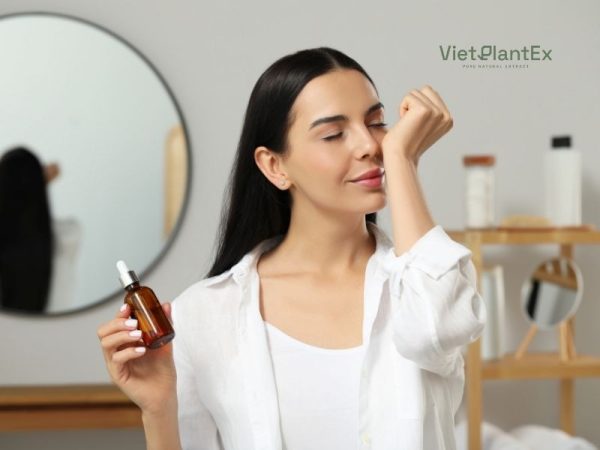
Directly inhaling essential oil vapors is a quick way for aromatic molecules to act on the olfactory nervous system. You can inhale directly from the mouth of the essential oil bottle (being careful not to let the liquid oil contact the skin or mucous membranes), place 1–2 drops on a handkerchief or cotton ball and inhale, or use a personal inhaler stick.
Another form of direct inhalation is steam inhalation: add a few drops of essential oil to a bowl of hot water, drape a towel over your head, and gently inhale the rising steam (keeping a safe distance to avoid steam burns). This method is particularly effective for quickly reducing stress, helping clear nasal congestion during a cold, or boosting alertness instantly.
3.3. Topical Application (Diluted)
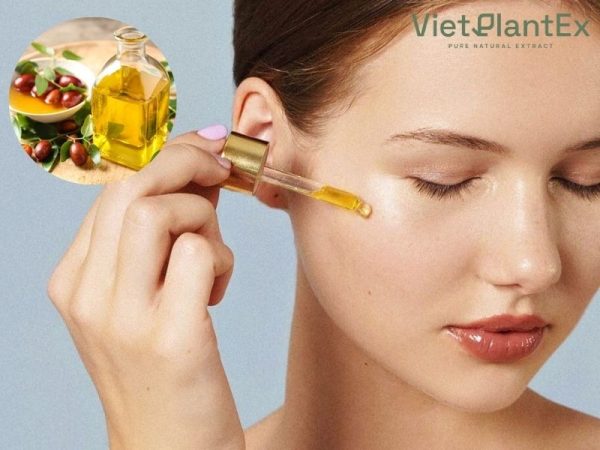
This method requires the highest level of caution regarding safety. Undiluted essential oils can cause serious skin irritation if applied directly. THEREFORE, ALWAYS dilute undiluted essential oils with a carrier oil (such as rice bran oil, fractionated coconut oil MCT 60/40, almond oil, jojoba oil, etc.) before applying to the skin. Carrier oils not only help dilute the essential oil but also help it absorb into the skin more effectively and reduce the risk of adverse reactions. The common dilution ratio for healthy adults is 1–3% essential oil (approximately 6–18 drops of essential oil per 30ml of carrier oil).
For children, the elderly, or those with sensitive skin, this ratio should be lower (below 1%). Once diluted, you can apply the mixture to pulse points such as the wrists, temples (avoid the eyes), behind the ears, or massage it into areas with muscle pain. Always perform a patch test on a small area of skin on the inside of the arm before applying to a larger area.
3.4. Use in Bathing or Steam Rooms
Adding essential oils to warm bath water is a wonderful way to combine the benefits of warmth and fragrance, helping to deeply relax, reduce stress, and relieve fatigue after a long day at work. Add a few drops of essential oil (pre-diluted or mixed with a dispersant such as unscented body wash) to a warm bath and soak.
Some essential oils such as lavender and Roman chamomile are very suitable for this purpose. If you have a steam room at home or at the gym, you can also use steam-room-specific essential oils to enhance the relaxation experience and support respiratory health.
Note: do not drop undiluted essential oil directly into hot water while bathing or steaming — instead, dilute it beforehand or follow the specific instructions of the product/device to ensure safety.
4. Important Precautions When Using Aromatherapy
To ensure safety and effectiveness when using aromatherapy, users need to be well aware of the following important precautions:
4.1. Consult a Professional
This is the MOST IMPORTANT precaution. Always consult a doctor, pharmacist, or qualified aromatherapy professional before starting to use essential oils, ESPECIALLY IF YOU ARE pregnant, breastfeeding, taking prescription medication, have any underlying medical conditions (asthma, allergies, high or low blood pressure, liver disease, kidney disease, chronic skin conditions, epilepsy), or are undergoing medical treatment (e.g., cancer treatment).
The reason is that some essential oils can cause side effects, interact with medications you are taking, or worsen existing health conditions, affecting the safety of the user.
4.2. Risk of Skin Irritation and Photosensitivity
As emphasized, essential oils must be diluted with a carrier oil before applying to the skin to avoid burns, rashes, or contact dermatitis. The dilution ratio should be appropriate for each individual and the specific area of skin being used. In addition, some essential oils — especially citrus oils (lemon, orange, grapefruit, tangerine) — are phototoxic, meaning they increase the skin’s sensitivity to ultraviolet rays.
Direct exposure to sunlight or other strong light sources should be avoided for at least 12–18 hours after applying these types of essential oils to the skin. Always perform a patch test on a small area of skin on the inside of the arm before broad application to ensure safety.
4.3. Avoid Ingestion or Application to Sensitive Areas
STRONG WARNING: Never ingest essential oils unless specifically indicated and guided by a doctor or qualified medical professional with expertise in internal aromatherapy — a field that requires extensive knowledge and strict dosage control. Improper ingestion of essential oils can cause serious damage to the liver, kidneys, and digestive system.
Avoid applying undiluted essential oils to sensitive areas such as the eyes, inside the ears, nose, oral mucosa, or open/broken skin. Always prioritize safe methods of using aromatherapy such as diffusion or inhalation.
4.4. Essential Oil Quality
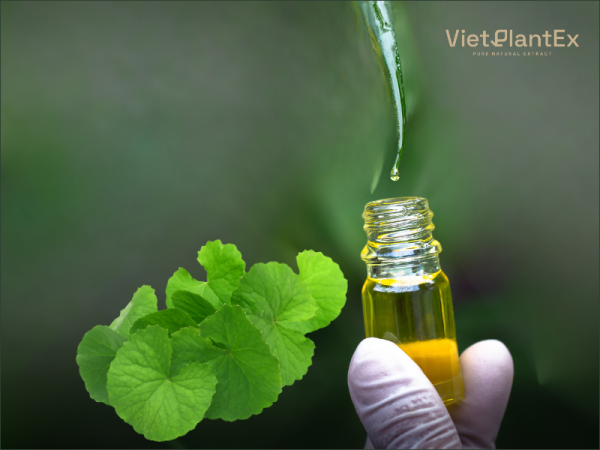
To ensure safety and therapeutic effectiveness, choose 100% pure essential oils with clearly traceable botanical origins and produced by reputable brands. Pure essential oils are typically extracted by steam distillation or cold pressing (for citrus essential oils).
Avoid “fragrance oils” or synthetically produced “therapy oils,” which usually only carry artificial scents, offer no real therapeutic benefits, and may even contain harmful chemicals that cause allergies or other health problems.
4.5. Use Around Children and Pets
Extreme caution is needed when using aromatherapy around young children, pregnant women, and pets. Their bodies are far more sensitive than those of healthy adults, and some essential oils can be toxic or cause dangerous reactions. For example, eucalyptus and peppermint essential oils should not be used around children under 6 years of age as they may affect breathing. Tea tree essential oil can be highly toxic to dogs and cats.
Nevertheless, to ensure safety and achieve the best results, always thoroughly research the information, use high-quality essential oils, and strictly follow the dilution ratio guidelines as well as all important precautions.
Aromatherapy is a journey back to nature — simple yet profoundly effective for both body and mind. If you want to begin this experience, don’t miss VietPlantEx — a trusted natural ingredient supplier, accompanying you on the path to sustainable and safe health care!